Monday, June 27, 2011

New Favorite Salad


We house sat for someone with a nice BBQ last week, so I got excited about a) being able to grill things, and b) making side dishes to go with grilled things. We're moving soon so I'm trying to use whatever food I already have in my fridge and pantry, which can lead to some of the best food.

I have to say, I think I struck gold with this one. It has a lot of flavors playing off of each other, and they seemed to work well - I made a big bowl of this, and despite the excessiveness of the food we cooked, there was none of this left at the end of the night. Of course you can vary it however you like, but I think the toasted almonds are key (and so much better than raw). I just toasted mine myself in my toaster oven, and it made my whole apartment smell heavenly.

Ingredients:
2 T olive oil
2 cloves of garlic, minced
juice and zest from half an orange (or as much as you want, depending on how orange-y you want it to taste)

1.5 cups dry quinoa
several handfuls of arugula, chopped a bit
1 cup dry toasted almonds, either whole or cut in half
1/2 cup feta cheese, crumbled (or more if you love feta)
bunch of mint, finely chopped
salt, to taste

First cook the quinoa - as I mentioned before, I like to do mine in my rice cooker (follow the instructions for white rice, but use a little bit more water). You can do this earlier in the day and put it in the fridge for awhile - the salad is better when the quinoa is cold.

Mix the olive oil, garlic, and orange juice in a small bowl and whisk it well. Set aside.

In a large bowl, mix the quinoa, arugula, almonds, cheese, and mint. Then pour on the dressing and mix it up. It will probably want some salt - I tend to comply, generously.

Tuesday, June 21, 2011

let's talk about SOURDOUGH


Bread has taken on a villainous reputation lately, and it's only slightly deserved. The carb police tell everyone that bread is evil and you should stay away, and we've all been told that if we ever do eat bread we should eat wheat bread, right? Well, the great hero of the bread world turns out to be good old sourdough.

The whole idea behind sourdough - real sourdough bread, at least - is that you use a starter that not only gives the bread its flavor but acts as the yeast as well. Starters gather natural yeast and bacteria from the air, so you don't actually add ANY yeast to the dough (or sugar, since you don't have to feed your artificial yeast). This is what people did for centuries before baker's yeast was invented. The downside to this system is it takes time - time to get your starter going, and then when you use it in dough, you have to let it sit for at least 12 hours to rise (THAT'S why the Jews didn't have time to let it rise before they left Egypt...). The upside, however, is that this allows the wheat to ferment properly, rather than in a fast forwarded system. The result? Sourdough is the easiest bread to digest, and results in the smallest increase in glycemic index. Much smaller than wheat bread, actually. And it has a much smaller chance of eliciting allergic reactions. People with food allergies - even gluten allergies - tend to be fine with sourdough. It turns out the "processing" in our bread comes not just from the flours, but from the high speed yeast.

Not that I'll never eat that bread again. I just try to have sourdough on hand as my go-to bread.

So I've been baking a lot lately. The trouble, however, is you need a good, living, active starter, which I don't have, because I've been lazy. If you don't get a good starter, then your bread will never rise. I've made a lot of flat bread lately. This website has a thorough explanation of how to make a starter - it's a multi-day process, and I'd like to believe once I'm settled in a new apartment I'll give it a try. You can also buy starters, which seems much more reasonable. Like borrowing someone's pet instead of creating and nurturing your own. I guess in that case you could just go buy some sourdough - but a lot of commercial bakeries don't have 12 hours for their bread to rise, so they just add baker's yeast. Everyone should try baking their own - if for no other reason, there's really nothing like homemade bread right out of the oven.

Here's a recipe I like. He mixes the flour manually; I sure like the dough hook on my kitchenaid.

Ingredients for two loaves:
1/4 cup starter
1 cup Whole wheat flour
5 1/2 cups White bread flour
2 1/2 cups water
2 tsp Salt

Start by measuring the starter you'll need. Whisk the starter before measuring it, so you'll be measuring starter, not bubbles. Then whisk in the water, the whole wheat flour, and then the salt. Set aside the whisk, and get a wooden spoon. Add the white bread flour a cup at a time, stirring as you go. After a while, the dough will become too stiff to stir. At that point, pour it out onto your kneading surface. Make sure you have floured your work surface before you turn the bread out, and flour your hands before you start kneading. Knead the dough 15 to 20 minutes, or until it is resilient, springy, and passes the windowpane test.

Once the bread is kneaded, let it rest for 30 minutes. Then form the bread into baguettes, boules, or pan loaves. Cover the loaves and let them rise at room temperature until doubled in size, probably about 12 to 15 hours.

Once the loaves have doubled in size, it's time to preheat the oven to 375 degrees Fahrenheit. Once the oven is at the right temperature - I use a thermometer to be SURE the oven is at the right temperature - slash the loaves with a razor blade, slide them into the oven, and put some water into a pan at the bottom of the oven. Allow to bake 45 minutes, or until the inside of the bread reaches 190 F. (Note - my kitchen is at 7,703 feet above sea level, which changes how bread bakes. At sea level, you may want to shoot for 205 F or so.)

Remove from oven, and let cool on wire racks before slicing - if your family will let you.

Monday, June 20, 2011

Tassajara Warm Red Cabbage Salad


A friend of mine was planning a picnic with a vegetarian she just started dating. As I was helping her brainstorm ideas, I came across this recipe that I had bookmarked. I only made it once, but I don't know how I forgot about it. It was delicious! Thought I'd share.

Ingredients:

1/2 cup sunflower seeds
1 teaspoon natural cane sugar (or brown sugar)
fine grain sea salt

2 tablespoons extra-virgin olive oil
1 red onion, diced
3 medium cloves garlic, minced

1 pound head of red cabbage or radicchio, quartered and cut into thin ribbons

1 teaspoon fresh rosemary, minced
2 ounces golden raisins (or other plump, chopped dried fruit)
1 1/2 tablespoons balsamic vinegar
2 ounces feta cheese, crumbled

a bit of freshly grated Parmesan cheese, to garnish


Directions:

Roast the sunflower seeds in a dry skillet over medium heat until golden brown. Sprinkle on the sugar, and a couple pinches of salt. Stir until the sugar melts and coats the seeds (you pan will need to be hot enough). Transfer the seeds immediately to a plate so they don't stick to the pan. Set aside.

Heat the olive oil in a large skillet and saute the onion for a minutes or two with a couple pinches of salt. Stir in the garlic, and the cabbage, and a few more pinches of salt. Stir and cook for just a minute or so, or until the cabbage softens up just a touch. Then stir in the rosemary, most of the raisins, and the vinegar. The cabbage will continue to get more and more tender even after you remove it from the heat, so keep that in mind, and do your best to avoid overcooking it - where it collapses entirely. Fold in half of the feta cheese, most of the sunflower seeds, then taste. Season with more salt if needed. Serve garnished with the remaining raisins, feta, sunflower seeds and Parmesan cheese.

Serves 4 to 6.

This recipe was adapted from The Complete Tassajara Cookbook by Edward Espe Brown. Published by Shambhala (September 8, 2009)

Prep time: 10 min - Cook time: 10 min

Thursday, June 9, 2011

Where to buy...


Sarah and I were talking about buying different cooking products, and I thought I'd get some suggestions from people (and offer a few of my own).

Quinoa and faro, I've found Costco is actually the best place. You can get a 4 lb bag of quinoa for $10, which is cheaper than I've seen anywhere else. The faro is a little more expensive per pound, but still relatively a good deal. Costco also has a pretty good deal on strawberries ($5 for a 4 lb flat).

For those of you in the bay area, do you go to Milk Pail Market in Mountainview? It's my go-to place for produce now - tons of variety, lots of fresh herbs, lots of it local, and very inexpensive. They also have things like flour, grains, and legumes that you can scoop out and buy by the pound. Lots of international foods too.

I think Trader Joe's is good for things like sweeteners (agave, raw sugar, honey, etc.), oils and butter, wild & brown rice, sauces, salsa, etc. Their frozen foods are amazing, but not quite as "natural" as I would like.

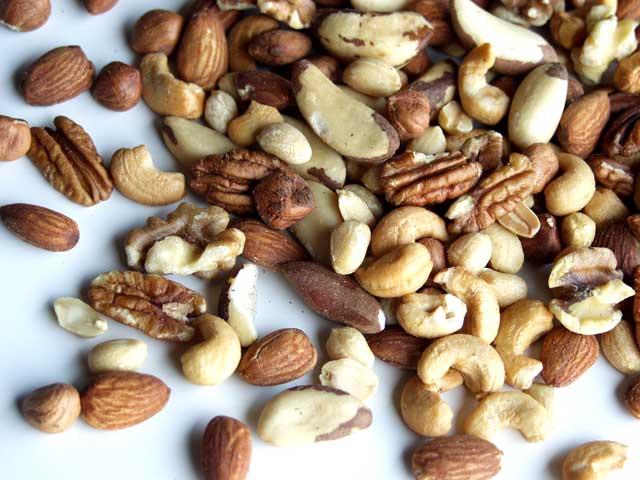
I've found, however, that when I go to make a recipe, the thing I most often don't have is nuts. Because I intend to buy them, but then I see how much they cost, and I figure it can't be worth it. But then I don't make the recipe... Sarah suggested Costco for raw almonds, which she keeps in her fridge and last a long time. They have a 3 lb bag for $9, which is pretty decent. They also have walnuts and cashews and pecans in large quantities, but then I wonder, do I really want to spend $50 on a large nut pantry? There must be another way... Suggestions?

The main dilemma we both had was where to buy pine nuts, which seem to be worth their weight in gold. The 1.5 lb bag at Costco is $22. Is there something I don't know about the process of harvesting pine nuts? Do they have to compensate the families of the workers who died falling out of pine trees? Does anyone know a good place to buy them?

Lastly, I hear lots of people saying you should use coconut oil. Does anyone know a good place to buy it?

Wednesday, June 8, 2011

Easy Minestrone

I got this recipe from a cooking class I took in college and have been making this soup ever since. It is so easy and cheap. It's very lowfat and could be made even healthier by using all organic broth and canned goods, and even fresh veggies. It's nice because you can keep the ingredients on hand all the time.

2 (14.5 oz) cans chicken broth (or I'm sure veggie would be fine)
1 med onion, chopped
1 can kidney beans
1 cup frozen mixed veggies
1/2 cup mini shell pasta (any relatively small pasta works)
1 tsp dried basil
1 can Italian stewed tomatoes
salt and pepper to taste

Combine all ingredients, except tomatoes, and bring to boil. Let simmer for 10 min. Blend tomatoes, and then add to soup. Bring back to boil, then simmer for 5 more min. And that's it!

As with many soups, I think this one gets better by the next day as the flavors blend. It sounds really basic, but tastes really good. Sometimes I add cheese or sour cream, or even chips like with tortilla soup. But they are not necessary.

A word to the wise. I made this soup just a few days ago, and read the label on my tomato can. To my chagrin, these tomatoes had high fructose corn syrup. So check that out before you buy. It made me angry.

And sorry, once again I have no picture. Maybe I will add pictures next time I make these recipes.

Enchiladas with Green Sauce

This is a great epicurious.com recipe I found a few years ago. I usually double the sauce and freeze half of it for later. This is my go to recipe for delivering dinner to someone. I make a non vegetarian version with shredded chicken and caramelized onions inside whole wheat tortillas and then I just pour the sauce over and add some jack cheese, cover with foil and bake for 35 minutes at 350.

Sauce
1/2 10-ounce package frozen chopped spinach
1 tablespoon butter
1 tablespoon all purpose flour
1 cup whipping cream
1 cup milk
6 tablespoons chopped fresh cilantro
3 green onions, minced
1/2 4-ounce can diced green chilies, drained
1 3/4 teaspoons ground cumin
1 1/2 teaspoons ground coriander
1/4 teaspoon dried crushed red pepper

For sauce:
Cook spinach according to package instructions. Drain well. Set aside. Melt butter in heavy medium skillet over medium heat. Add flour and stir mixture 2 minutes; do not brown. Gradually whisk in whipping cream and milk. Simmer until thickened, about 5 minutes. Stir in spinach, cilantro, green onion, chilies, cumin, coriander and red pepper. Puree in batches in processor until almost smooth. Season with salt and pepper. (Can be prepared 1 day ahead. Cover and refrigerate. Bring to room temperature before using.)

Tuesday, June 7, 2011

NYTimes Recipes for Health and Chicken Salad

One of my favorite places to look for new, simple, healthful and often vegetarian recipes is the New York Times Recipes for Health section. Martha Rose Shulman takes an ingredient or theme and writes 5 recipes each week; they used to be published each day, Monday through Friday, but now they release all 5 at once. My favorite is the sweet potato section. I've posted several of these recipes on facebook, so you may have seen those.

This is the description of the recipe series from the website: "Each week this series will present recipes around a particular type of produce or a pantry item. This is food that is vibrant and light, full of nutrients but by no means ascetic, fun to cook and a pleasure to eat."

I have made this recipe a couple times, and I discovered that that it is actually necessary to use all the ingredients called for in the recipe, which is hard for me because I'm into omitting and substituting items all over the place.

Indonesian-Style Chicken Salad

This spicy, refreshing chicken salad makes a great summer meal. I love the flavor of the peanut butter in the dressing.

For the salad:

1 whole chicken breast or 2 boneless skinless breasts, poached and shredded (about 4 cups shredded chicken)

Salt and freshly ground pepper (optional)

1 bunch scallions, white part and green, thinly sliced

1/4 cup slivered fresh mint leaves

1/4 cup chopped cilantro

1 small red bell pepper, cut in thin strips

1 serrano pepper, finely chopped (seeded if desired)

2 cups mung bean sprouts or sunflower sprouts

1 romaine lettuce heart, leaves separated, washed and dried

1/4 cup chopped roasted peanuts

For the dressing:

1/4 cup freshly squeezed lime juice

2 teaspoons finely chopped fresh ginger

1 garlic clove, minced

1 tablespoon Southeast Asian fish sauce

Pinch of cayenne

2 tablespoons crunchy or smooth natural peanut butter (more to taste)

1/3 cup buttermilk

1. Place the chicken in a large bowl, and season with salt and pepper. Add the white part of the scallions, the mint, cilantro, red pepper, minced chile pepper and sprouts. Toss together.

2. Combine the lime juice, ginger, garlic, fish sauce and cayenne. Stir together. Add the peanut butter, and combine well. Whisk in the buttermilk. Taste and adjust seasonings.

3. Line a platter with the lettuce leaves. Toss the chicken mixture with the dressing, and arrange over the lettuce. Sprinkle the peanuts and the scallion greens over the top, and serve.

Yield: Serves four to six.

Advance preparation: The poached chicken breasts will keep for three days in the refrigerator. The dressing can be made several hours ahead.